Articles for parents who want the full picture
How children actually learn, how to make practice stick, and how to read what a worksheet is really telling you — in plain language, backed by evidence.
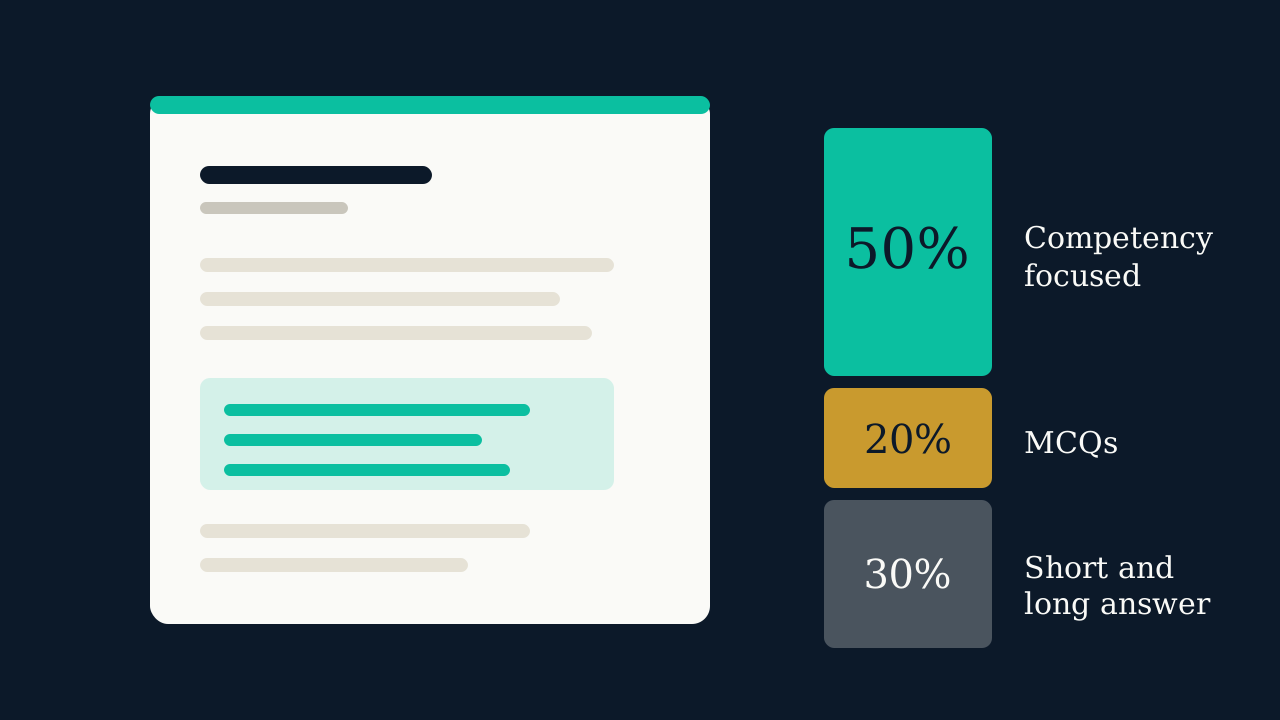
CBSE competency based questions, explained
What CBSE competency based questions actually are, the half of the board paper they now fill, and what a Class 1 to 8 child should be building for that reality.
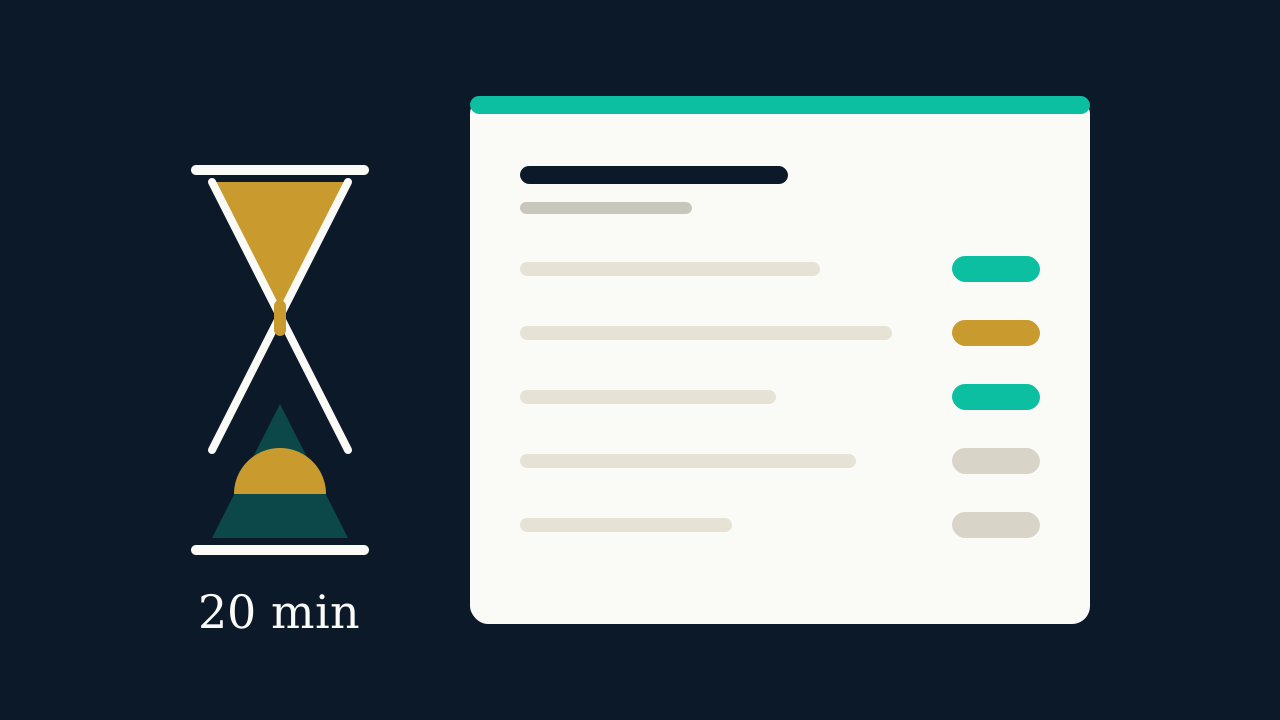
Maths practice at home: a guide for Indian parents
How much maths practice a primary school child in India actually needs at home, which skills the national survey shows slipping first, and what to practise tonight.
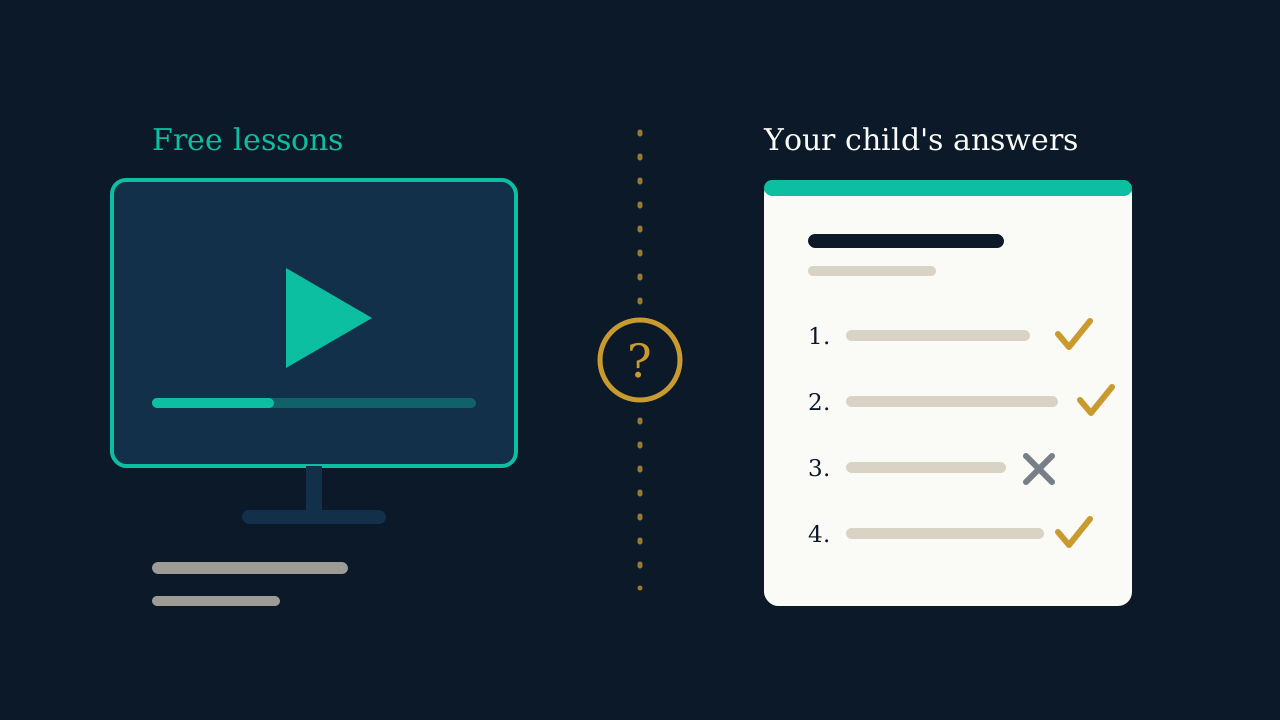
Khan Academy alternatives for CBSE students
Looking for a Khan Academy alternative for CBSE? What Khan actually gives you free, when it is still the right answer, and what a different tool is for.
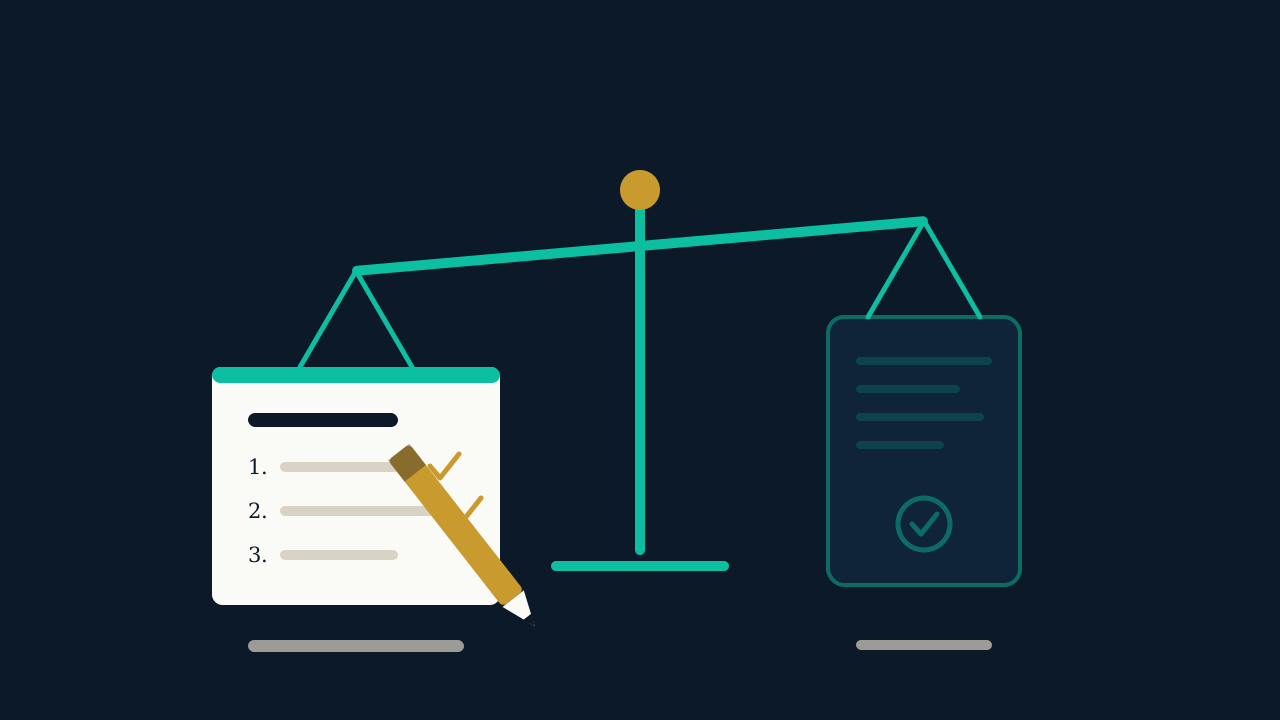
Paper worksheets vs screen apps: what the evidence says
Printable worksheets or another screen app? What the research on paper versus screen practice really shows, and how to choose for a child in Classes 1 to 8.
Byju's alternatives for parents who want worksheets
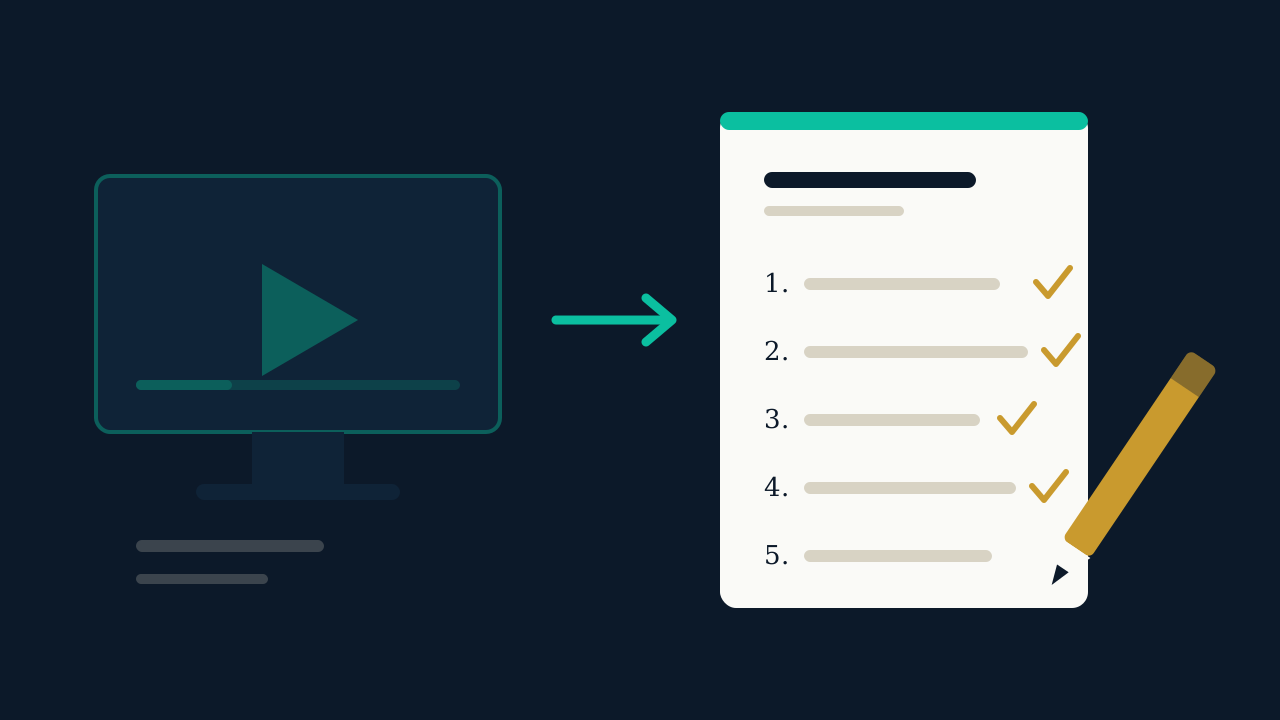
Byju's alternatives for parents who want printed practice, not more video. What the insolvency changes, what to check before you pay again, and the honest options.
Worksheets from a photo of your child's textbook
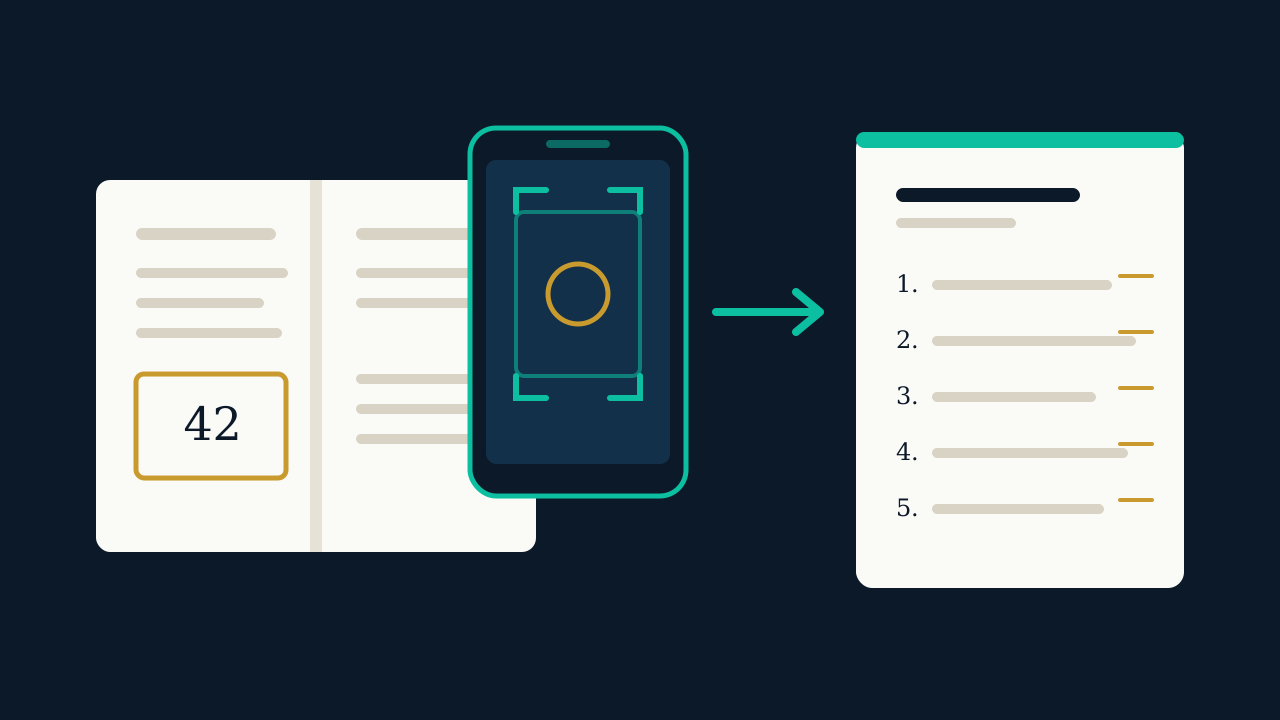
Shop-bought worksheet books rarely match the chapter your child is on. How photographing a textbook page turns into aligned practice, and what to check first.
Why does my child forget what he learns at school?
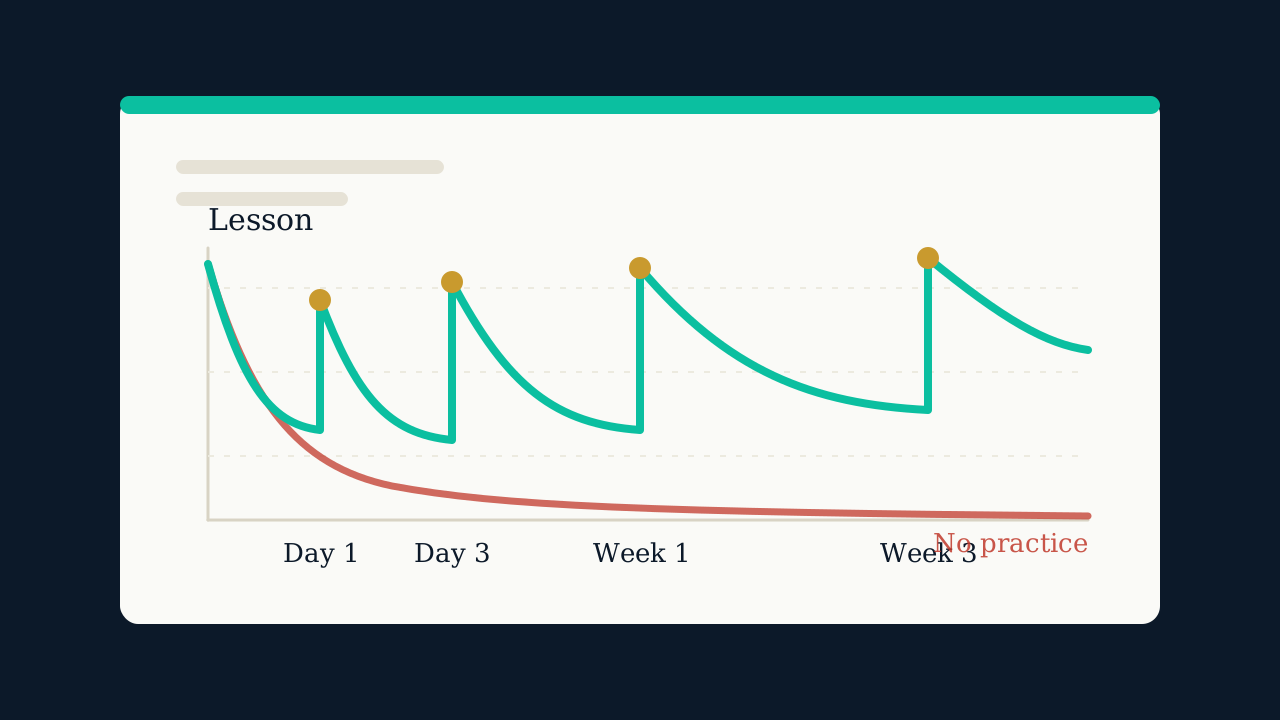
Your child learns it, then forgets it by the test. What memory research says is normal, what is not, and the simple spacing routine that makes learning stick.
How to avoid silly mistakes in maths (Class 1 to 8)
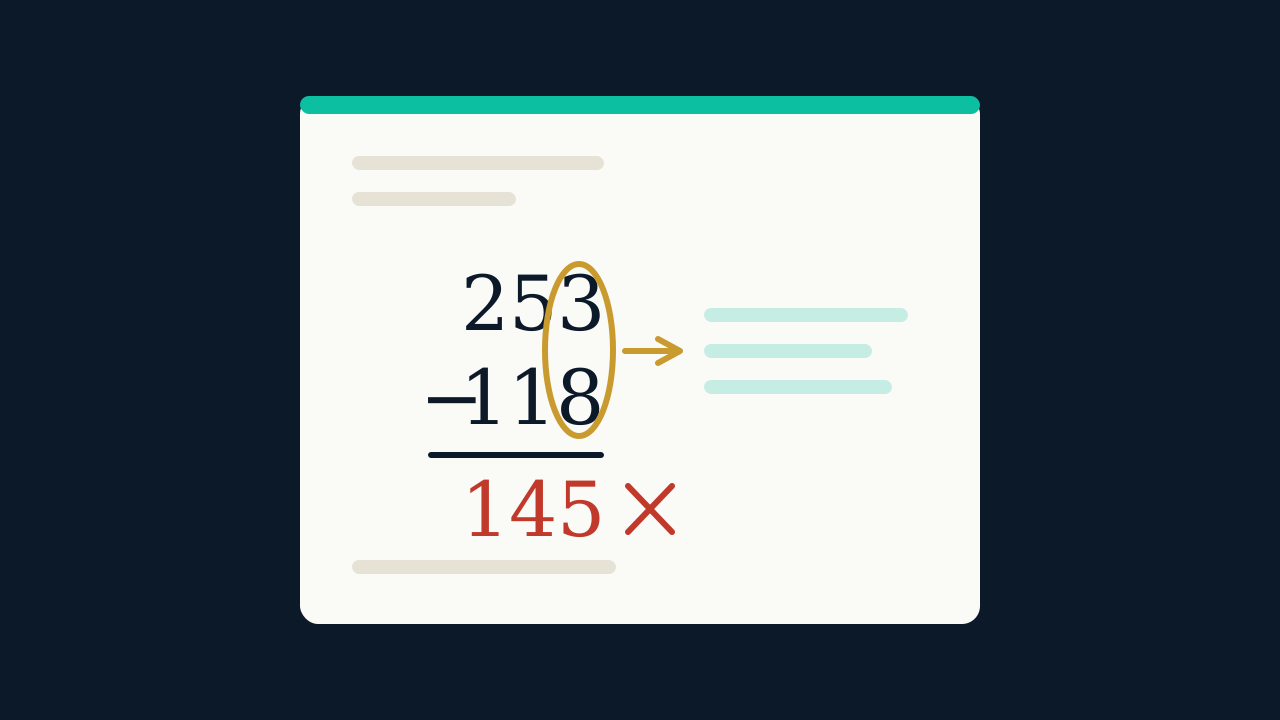
Most silly mistakes in maths are not silly at all. How to tell a real slip from a hidden misconception in your child's work, and what to practise for each.
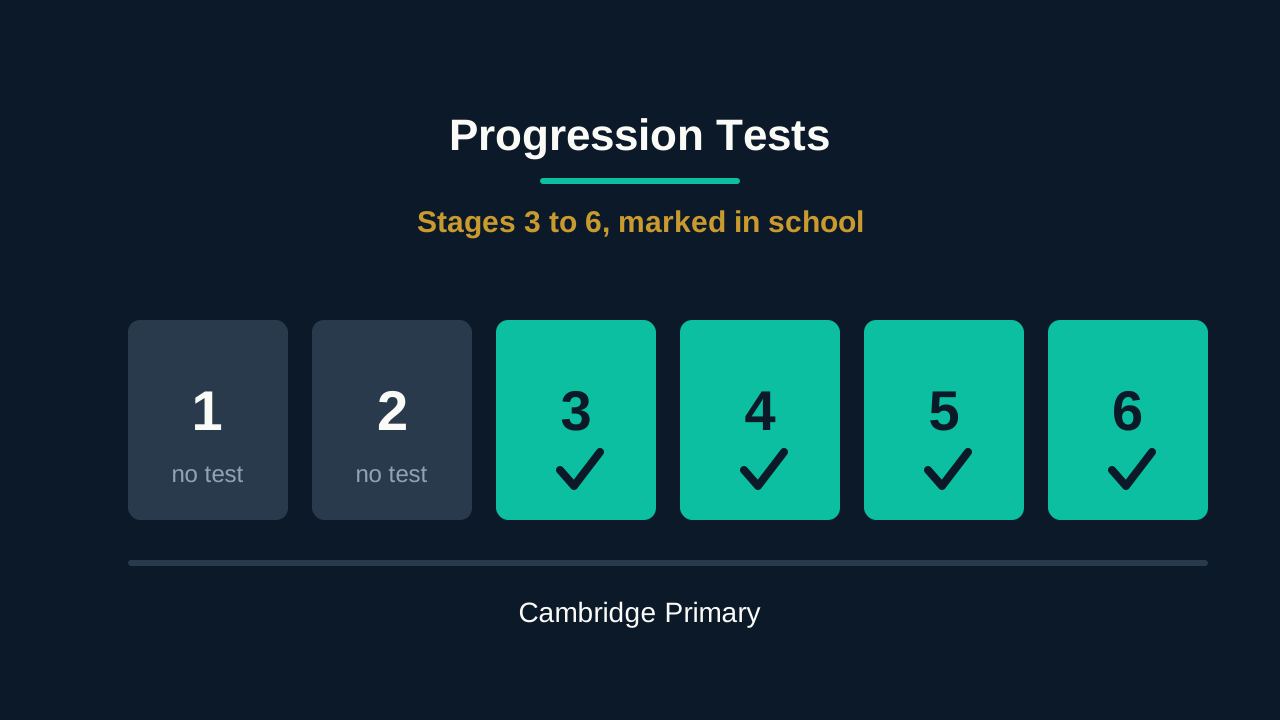
Cambridge Primary Progression Tests explained for parents
Cambridge Primary Progression Tests run in Stages 3 to 6, are set by Cambridge but marked by your child's own teachers, and have no fixed date. What that means.
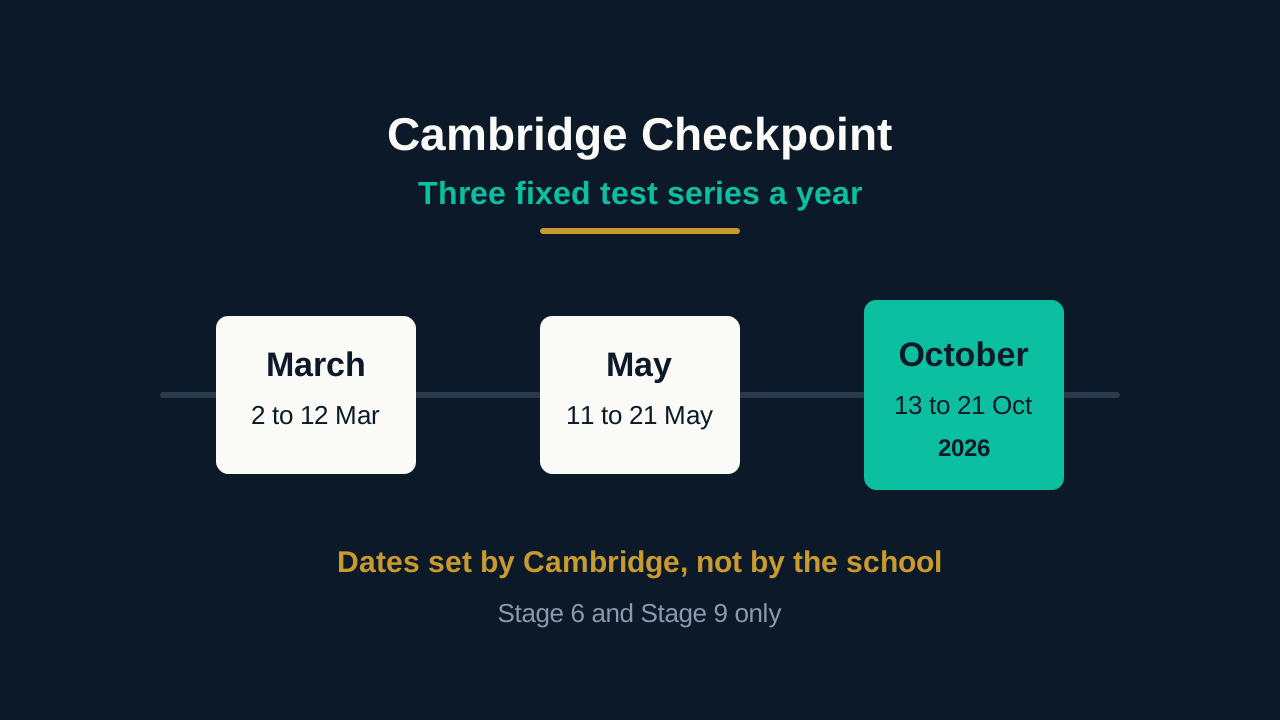
Cambridge Checkpoint dates 2026 and 2027: full timetable
Every Cambridge Checkpoint test date for the October 2026 and March 2027 series, taken from the official final timetables, and what changed in 2026.
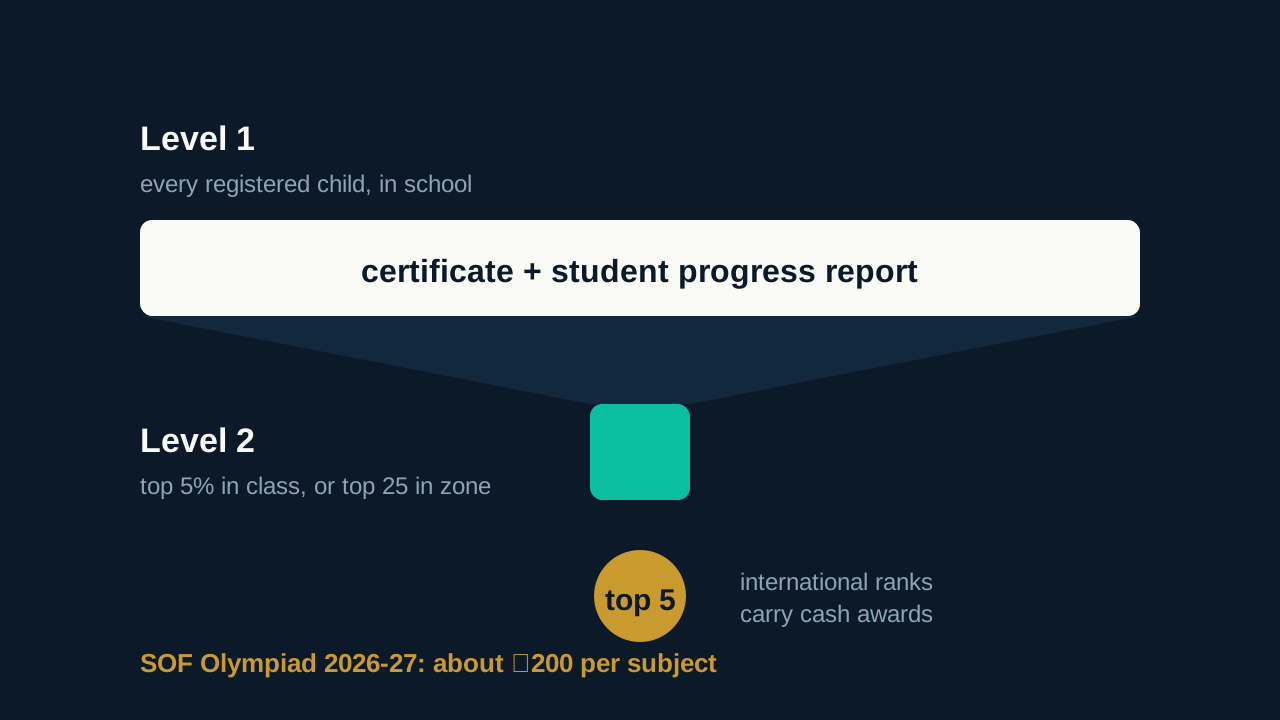
Is the SOF Olympiad worth it? An honest parent's guide
The SOF Olympiad costs about ₹200 a subject, runs inside your child's school, and only the top 5% reach level 2. How to decide if it is worth it.
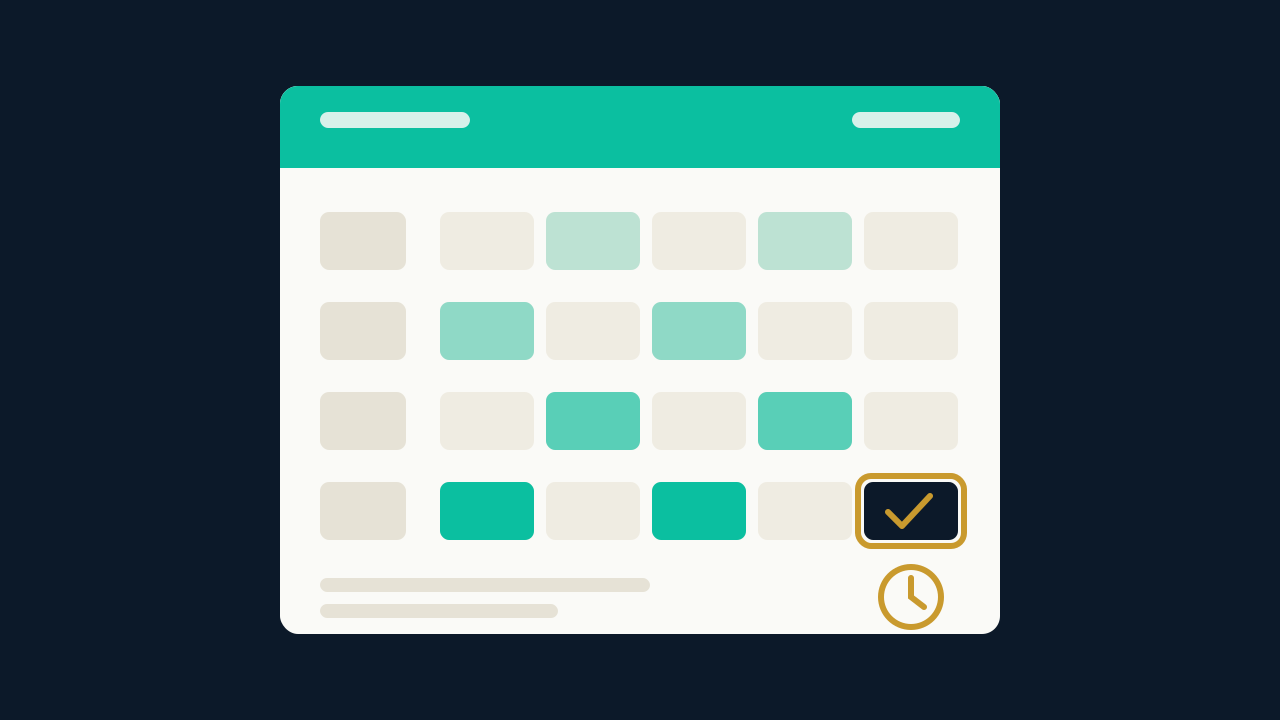
Half-Yearly Exam Study Timetable for Classes 6-8
A four-week study timetable for the half yearly exams in Classes 6 to 8, what CBSE actually fixes about the paper, and how early practice should start.
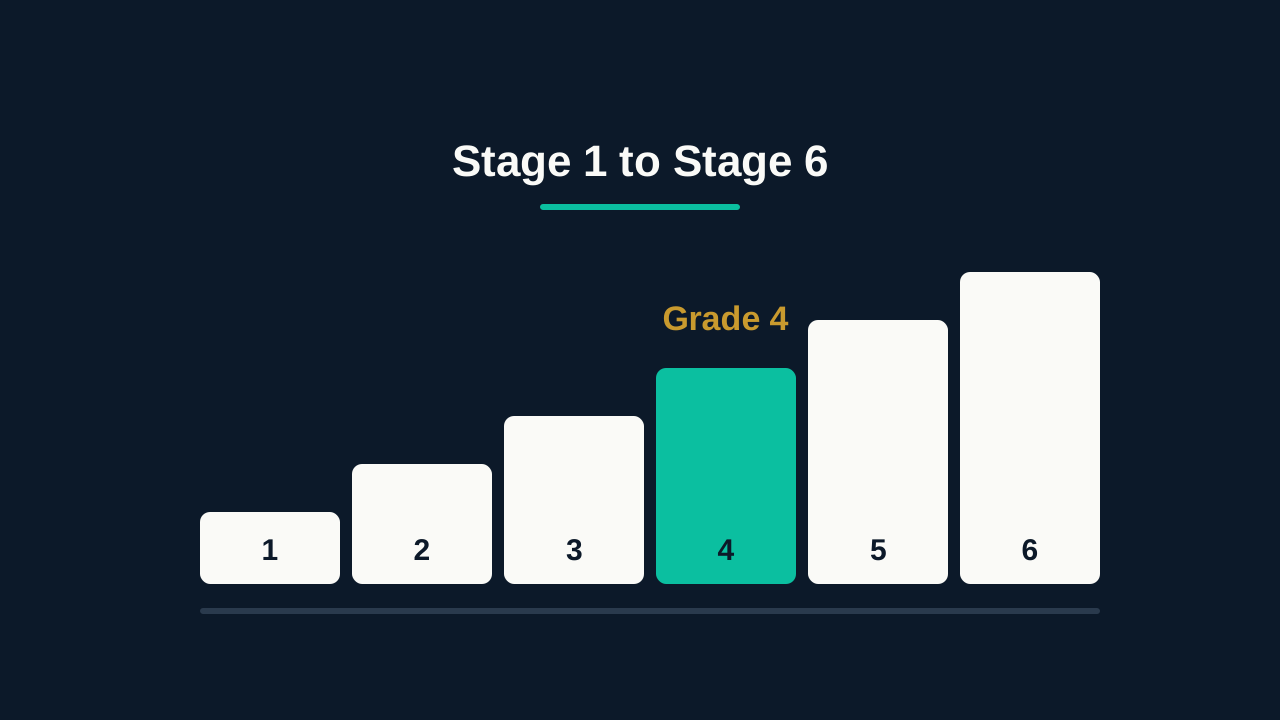
Cambridge Grade 4 (Stage 4) and every stage explained
Your child's school says Grade 4, the Cambridge framework says Stage 4, and the textbook says Year 4. Here is what each word means and where they differ.
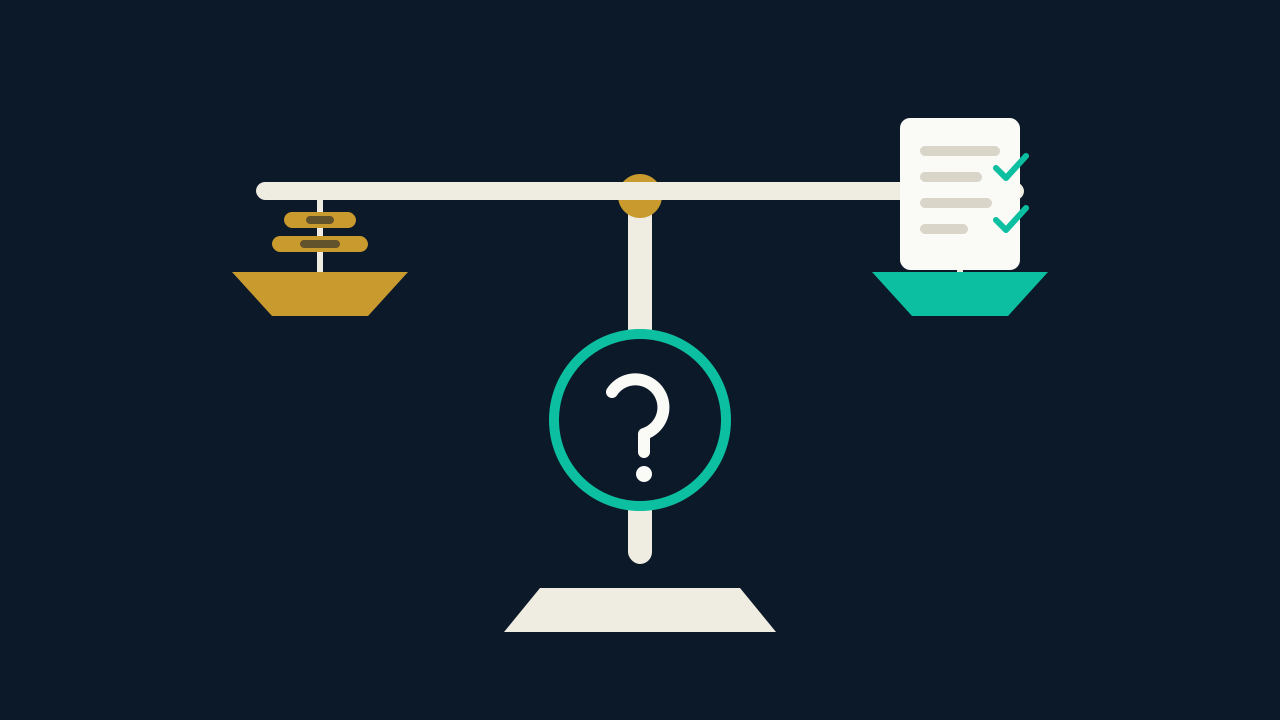
Is Tuition Necessary for Class 8 (and Classes 1 to 7)?
Is tuition necessary for Class 8, or Class 3? What India's official education survey and tutoring research say, and how to tell if your child really needs one.
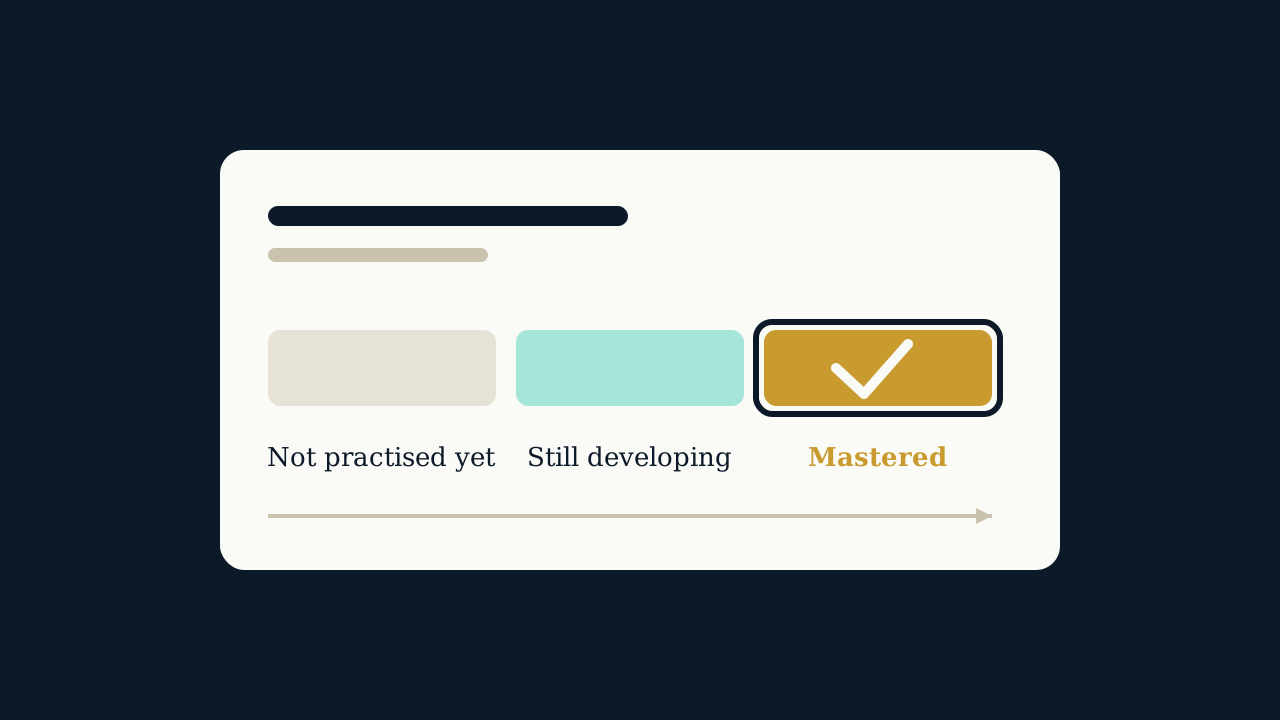
What does 'mastered' vs 'developing' mean?
On a learning app or a report card, 'mastered' and 'developing' are skill levels, not grades. Here is what each one really means and what to do next.
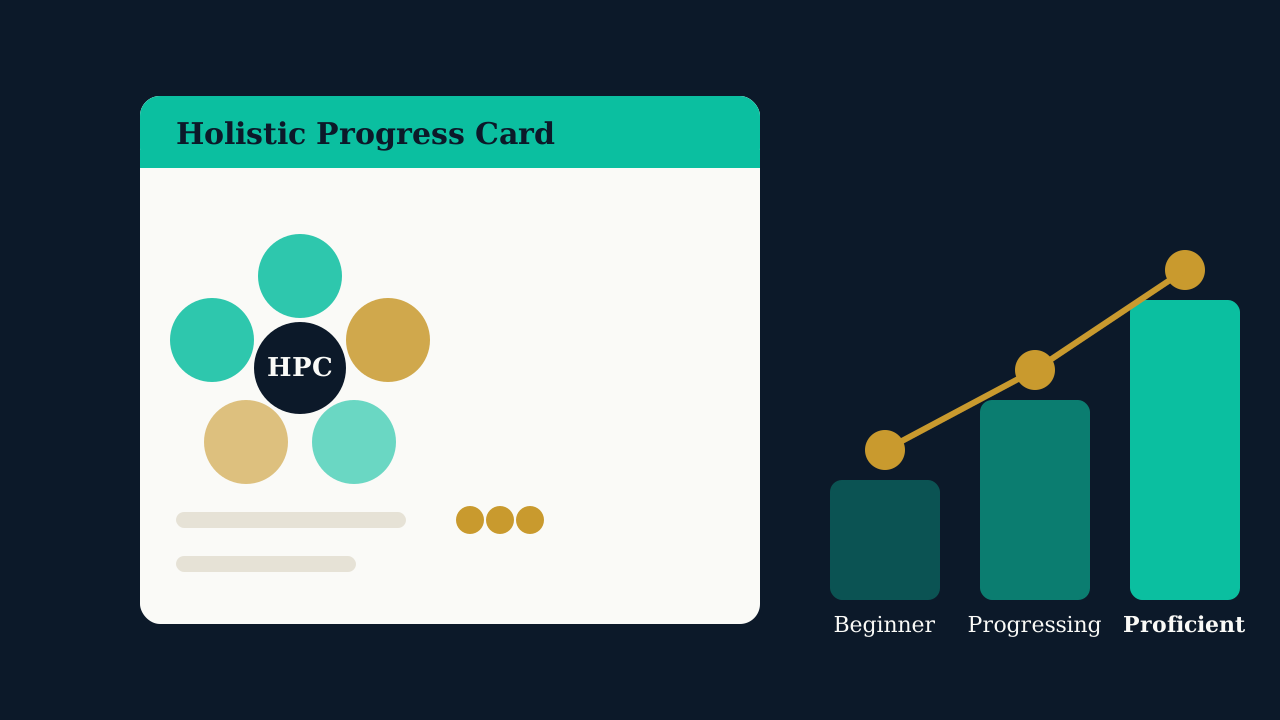
Holistic Progress Card: a CBSE parent's guide
The Holistic Progress Card (HPC) swaps marks for a skill picture in CBSE schools. Here is what the levels mean and what your child's card is really telling you.
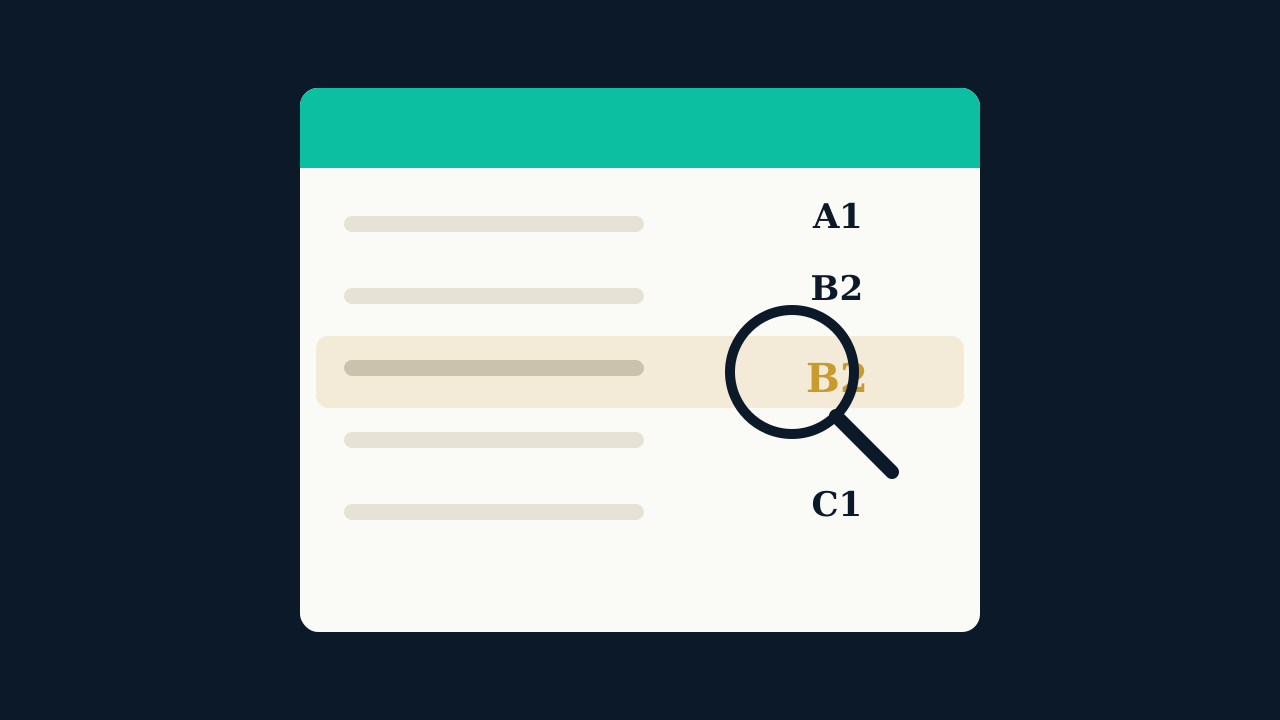
CBSE grading system for Class 1 to 8, explained
The CBSE grading system works differently for Class 1 to 5, 6 to 8, and 9 to 10. Here is what A1, B2, and the co-scholastic grades mean, and what to do next.
CBSE Periodic Test (PT1) Classes 6-8: A Parent's Guide
What the CBSE periodic test (PT1) covers in Classes 6 to 8, how the marks actually count, and a one-week prep plan built on practice, not rereading.
How to find learning gaps in your child at home
A 10-minute way to find learning gaps in your child at home — the same five reading and maths tasks India's largest education survey uses, on paper.
How to read your child's worksheet (beyond the score)
A score out of ten tells you almost nothing. Here's how to turn a completed worksheet into a clear read on what your child has actually learned.